
GIVE EVERYDAY · Speaking Journal · Esther Living Studio · A Square · 12 November 2026
Give Warakorn at the opening of Esther Showroom, A Square: on the home of 2027, how people’s lives are changing, and why an interior designer must look deeper than beauty.

I was invited to speak alongside Jun Sekino at the opening of the new Esther Showroom at A Square, to talk about design trends for 2027, how people’s behaviour is changing, and what an interior designer should look at beyond the “style” or “beauty” of a space.
A few years ago, when I first sat down with a client, my opening question was usually
“What style do you like?”
Modern, Minimal, Loft or Nordic.
Lately, though, I have noticed the answers changing.
People no longer begin by telling me what kind of home they like. They begin by saying
“I’ve been so tired lately.”
“I just want to come home and truly rest.”
So the question has slowly shifted from “What do you like?” to “How do you want to feel in this space?”
Home, While the World Outside Spins Faster
Today the world outside moves faster in almost every way: work, news, phones that notify us all day, and new technologies that keep us processing information all the time.
So people may not simply want “a more beautiful home”. They want a home that helps life slow down a little.
I often use a simple example.
Have you ever driven home, pulled up outside, and stayed in the car for another 10 minutes doing nothing at all, just wanting to sit quietly before going in?
For me, that is a fascinating brief for a designer.
If people still have to find their moment of rest in the car, perhaps the home does not yet have a space that does that job well enough.

Sometimes clients do not ask for a bigger room.
They may ask only for a corner by the window for a morning cup of coffee,
a bedroom without a television,
a small wellness space,
or a short moment when no one calls, no messages arrive, and there is nothing to do at all.
A home, then, is not just a place we return to sleep. It should be a place we return to truly rest.
The Home of 2027 May Be “The Effortless Home”
If I had to sum up the direction of the home in 2027 in simple words, I would call it
“The effortless home”
The world outside already asks us to try hard enough.
When we come home, we should not have to face a space that makes us tense all over again.
Even the meaning of luxury is changing.
Luxury may not always mean owning the most expensive or most striking things. It may mean having spaces that understand the rhythm of our lives and make living easier, naturally.


3 Ideas I Believe Will Matter More
1. Materials that age beautifully: materials that gather stories with use
I am drawn to materials that do not try to stay exactly as they were on day one, but change beautifully as they are used.
Wood that slowly deepens in colour,
brass that develops a patina,
natural stone where no two slabs share the same veining.
It is like a favourite pair of jeans. The first day may not be the day they look their best, but the longer we wear them, the more of our own character they carry.
2. Calm spaces with one moment of personality
The space as a whole may be calm, warm and drawn from nature’s palette, but it does not need to be so plain that it loses its life.
Sometimes a single colour, a single material or one piece of furniture with character can change how the whole space feels.
There is one line I love:
“A good home does not need to shout in every corner. It only needs one corner that makes your heart beat faster.”
3. A home that quietly takes care of us
Technology at home is shifting from something to show off to something we barely notice is there, yet it makes life easier.
Corridor lights that brighten gently when you wake in the night,
doors that open easily when both hands are full,
or small details already thought through for the people who actually use the space.
Wellness, then, does not always mean building a large spa. It can be the small comforts we feel every day.
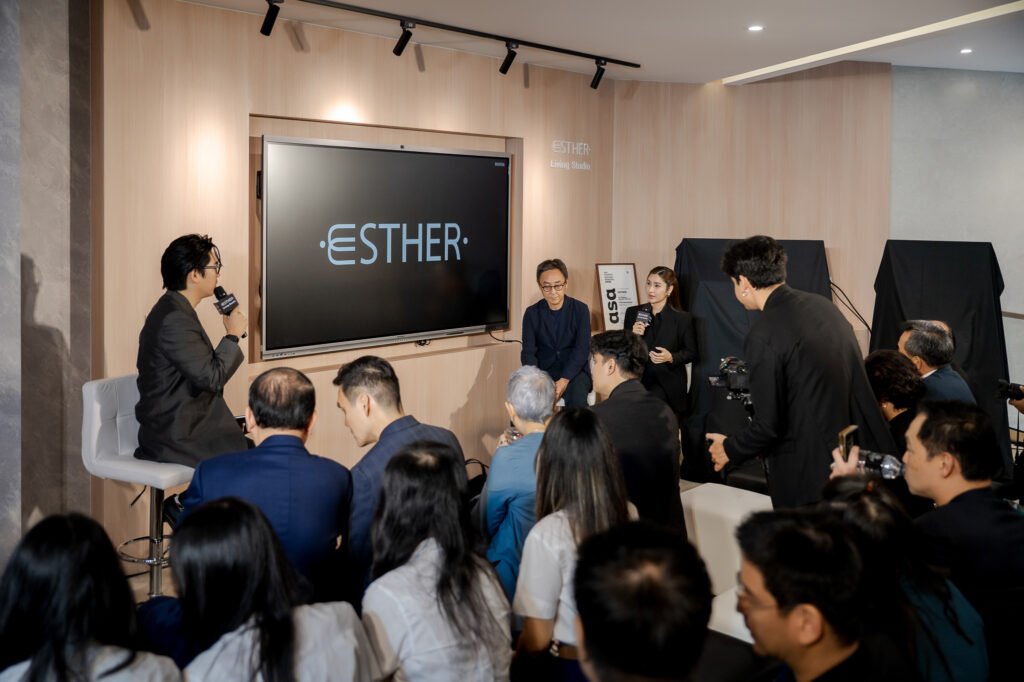
“We will not add to our clients’ burden”
One principle I have held throughout my work is
“We will not add to our clients’ burden”
A designer should not simply wait for clients to say what they need, but help them think one step further.
Is the bathroom floor slippery?
Can the door be opened with wet hands?
If an older family member comes to live here one day, is the space ready?
For the grab rail not yet installed today, have we prepared the structure behind it?
Are power points already in place where they may be needed in future?
Many of these are things clients do not think about on day one, but it is the designer’s job to think ahead for them.
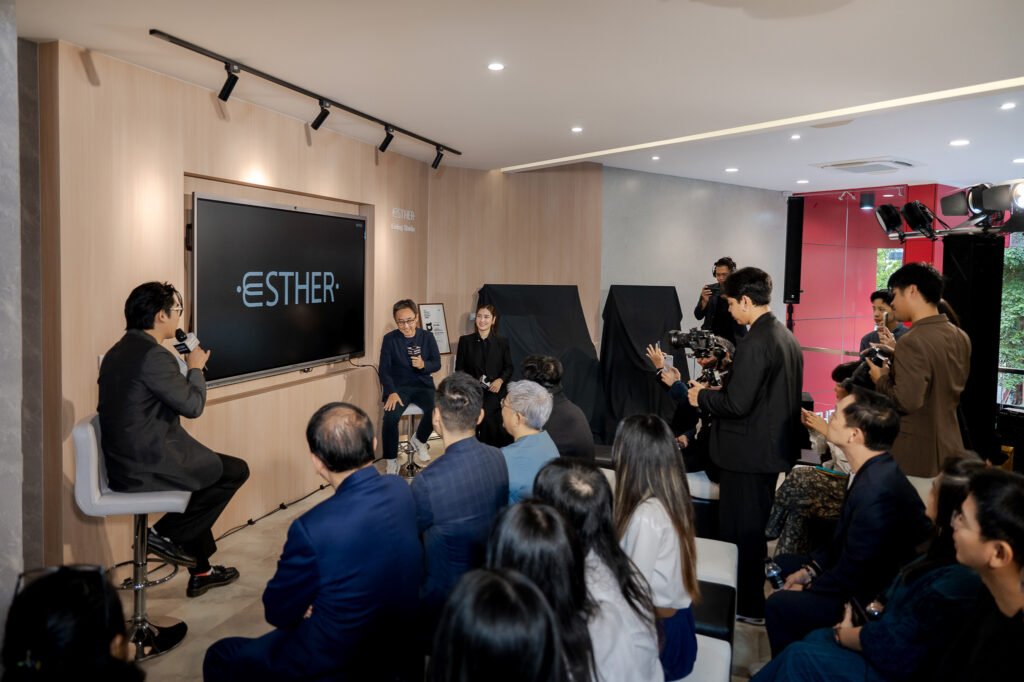
Design is also about the people behind the product
Another point I raised at the event was the role of brands and suppliers.
For a designer, choosing a product does not end on the day we select it or send the spec.
Installation information must be complete,
products should be available to try for real,
and most importantly, there must be care after handover.
Because a designer’s name stays with everything we choose.
If something goes wrong, clients do not see it only as the brand’s problem. They come back to the designer who chose it for them.
For me, brands with a team that truly looks after you, responds quickly and actually solves problems are the brands designers feel confident choosing again.
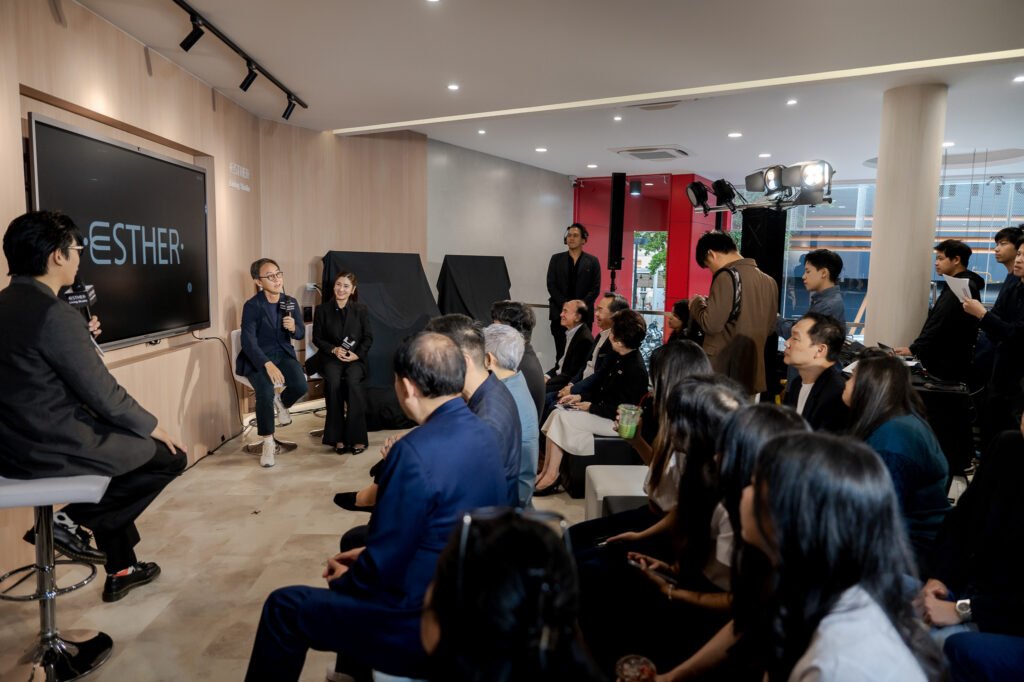
A Good Home Does Not Need to Make Us Feel Something All the Time
Perhaps the best space is not the one that makes us say “wow” every time we walk in,
but the one that lets us put our bag down, breathe a little deeper, and stop trying to be anyone for a moment.
For me, that is one meaning of a good home today.
A home does not need to speak loudly,
but it should know when we need it quietly by our side.
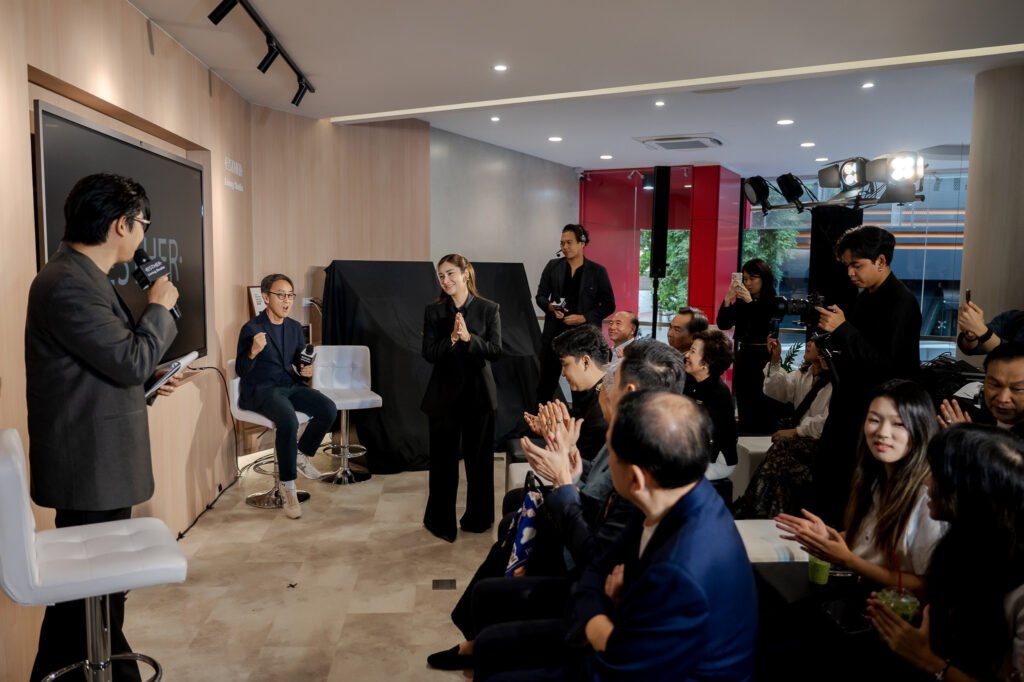


Life can be designed. Start with yourself.
GiveEveryday
To invite Give to speak, lecture or lead a workshop on design, materials and creating business value, explore the topics and formats at Education & Speaker